
Finding a wholesale vape supplier for the Iranian market may seem simple at first. Search for a few suppliers, compare prices, review their product catalogs, and choose the one with the best offer.
In practice, B2B vape sourcing is rarely that straightforward.
A supplier that works well for a retailer testing a few new products may not be suitable for an importer handling regular wholesale orders. Likewise, a business looking to build a private-label brand needs very different support from a retailer that simply wants ready-to-sell products.
Start With Your Business Needs
One of the most common mistakes is contacting dozens of suppliers before deciding what you actually need.
Start by answering four basic questions.
What type of products do you need?
Are you looking for Vapes jetables, Systèmes de capsules, rechargeable devices, or products for your own private label?
How much do you expect to order?
Are you testing a few products, or do you need regular supply for wholesale distribution?
Do you need your own brand?
If you want to sell products under your own brand, you need a supplier with Vape OEM, ODM Vape, or private-label capabilities rather than a company that only sells finished products.
Which market will you sell in?
This is particularly important because regulations vary between countries. A product that can be legally sold in one Middle Eastern market cannot automatically be imported or sold in another.
Once these points are clear, it becomes much easier to remove unsuitable suppliers from your shortlist.
Don’t Choose a Supplier Just Because It Has a Large Catalog
When comparing a Vape Supplier, look at:
-
- Product categories
- Device specifications
- Product positioning
- Packaging options
- Manufacturing quality
- Stock stability
- Production capacity
- Customization options
Instead of asking, “Who has the most products?”, ask:
“Who can provide the products that make sense for my sales channel?”
How to Tell Whether a Supplier Is Suitable for Wholesale
A wholesale buyer needs more than a good product. You need a supply chain that can support your business over time.
Here are several practical indicators.
1. Clear Company and Product Information
A professional supplier should be able to provide clear information about its company, products, specifications, and ordering process.
2. Reliable Replenishment
A first order may go well, but what happens when you need to reorder?
Ask the supplier:
-
- Is the product regularly available?
- What is the production capacity?
- How long does production take?
- Can the same model be reproduced?
- Are specifications consistent between production batches?
This matters especially when you plan to build a stable product range.
3. Flexible Order Quantities
Different businesses have different purchasing needs.
If you are testing a new product, a low MOQ may be more valuable than the lowest possible unit price.
For a large distributor, however, production capacity, long-term pricing, and replenishment may matter more.
The Lowest Price Is Not Always the Lowest Cost
Lors de la comparaison Fournisseurs en gros de cigarettes électroniques, it is easy to focus on the number shown next to the product.
But the final purchasing cost can include:
Product price + packaging + customization + shipping + duties and taxes + storage + potential costs caused by delays or replenishment.
This is why the cheapest quotation is not automatically the best deal.
Imagine two suppliers.
Supplier A offers a lower unit price but requires a large MOQ and has a longer production time.
Supplier B is slightly more expensive but offers more flexible quantities and faster replenishment.
For a business testing a new market, Supplier B may actually be the more practical option.
Do You Need OEM or Private Label?
If you want to build your own brand, the supplier’s capabilities become even more important.
Vape de marque privée et OEM/ODM services allow businesses to sell products under their own brand identity rather than relying entirely on existing brands.
Before choosing a manufacturer, ask about:
-
- Logo customization
- Packaging design
- Color options
- Product customization
- MOQ requirements
- délai de production
- Prototype development
- Quality-control procedures
Some suppliers may only print your logo on existing packaging, while a specialized OEM/ODM manufacturer may support more stages of product development.
What About Shipping and Regional Stock?
For wholesale buyers in the Middle East, the location of inventory can also affect purchasing decisions.
A China-based factory may be suitable for large orders and customized production, while regional stock can be useful when a distributor needs to replenish certain products more quickly.
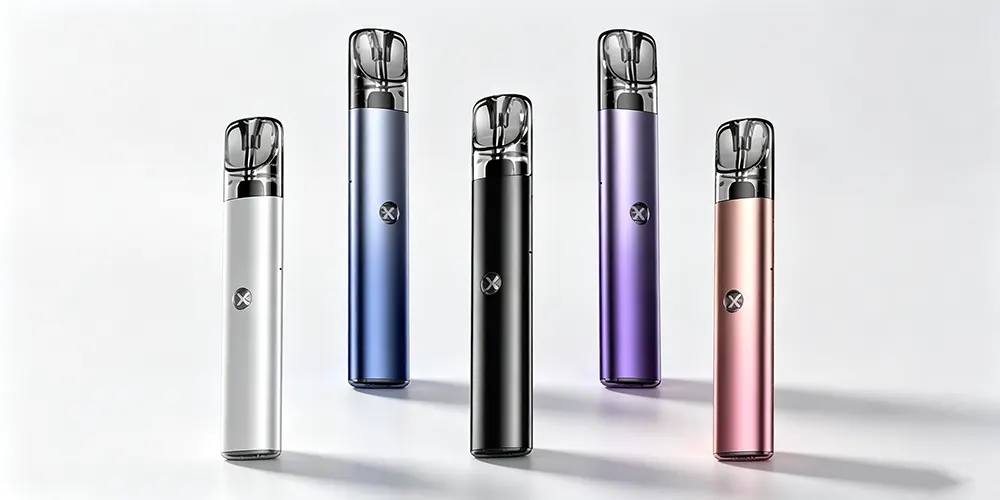
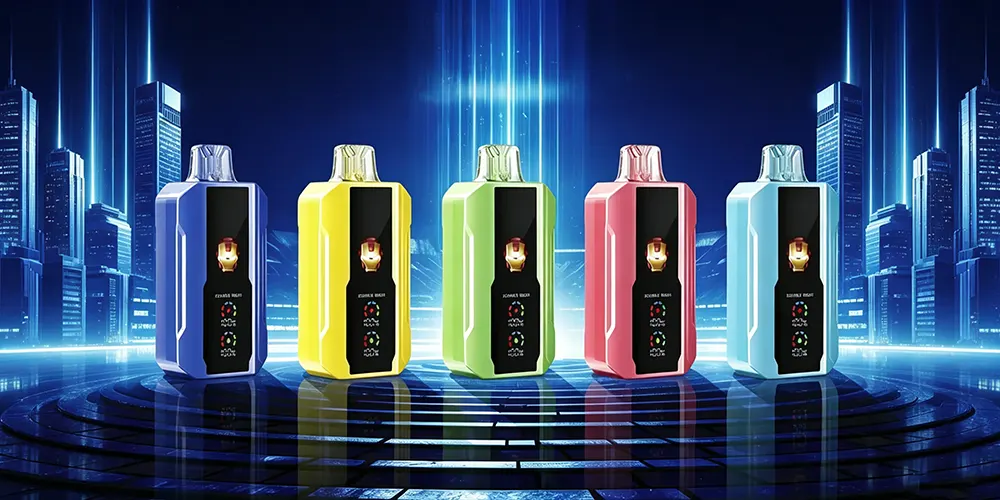
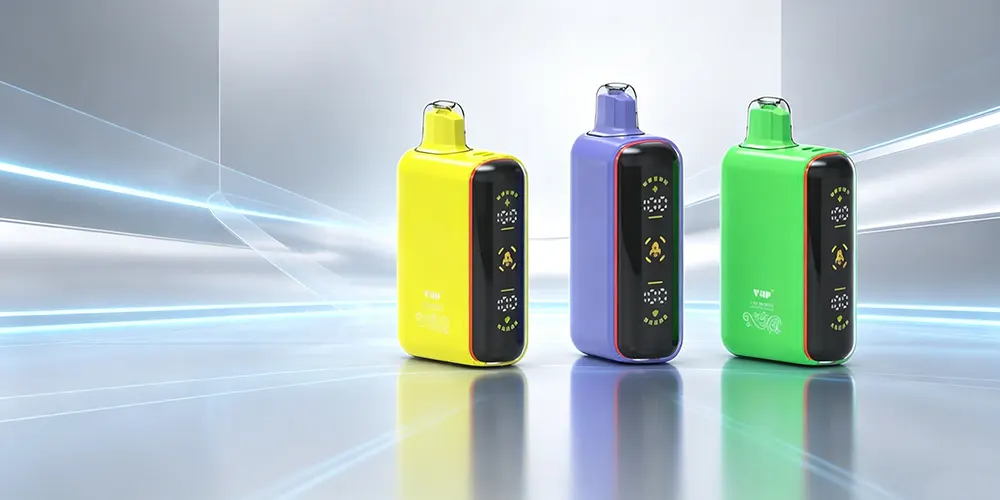
Par exemple, SWVAPE states that it combines manufacturing in Shenzhen with inventory in Dubai and serves B2B customers in the Middle East and GCC region. Its product range includes Disposable Vapes and Pod Systems, along with OEM and ODM services.
Visit SWVAPE.com for wholesale products and OEM/ODM services
A Practical Way to Compare Vape Suppliers
Instead of opening dozens of supplier websites and comparing prices randomly, create a shortlist of three to five companies.
Then evaluate each supplier according to the following criteria:
| Criteria | What to Check |
|---|---|
| Produits | Do they fit your business? |
| MOQ | Does it match your order volume? |
| Tarification | What is the total purchasing cost? |
| Quality | Are specifications clear and consistent? |
| Production | Can they support your required volume? |
| OEM/ODM | Is customization available? |
| Documentation | Are relevant documents available? |
| Shipping | What options and lead times are available? |
| Stock | Can the supplier replenish products? |
| Communication | Are responses clear and professional? |
Wholesale Vape Supplier Checklist
Before confirming your first order, review these points:
-
- Have you checked the regulations in your target market?
- Have you clearly identified the products you need?
- Do you understand the MOQ for each product?
- Have you received a clear quotation?
- Have you reviewed the product specifications?
- Have you confirmed OEM/ODM options if required?
- Have you checked the available documentation?
- Do you know the production lead time?
- Do you understand the shipping arrangements?
- Have you discussed the policy for defective products?
- Can the supplier replenish the same products later?
- Are all order details clearly documented?
If these questions have clear answers, your supplier selection process will be much more organized.



 English
  العربية
  Français
  Deutsch
  Русский