

Exploring Vape Demand in Aleppo: What Retailers Should Consider
Exploring vape demand in Aleppo requires more than looking at product popularity. For retailers, the bigger picture includes customer preferences, price sensitivity, product availability, and the practical challenges of sourcing inventory. Aleppo is one of Syria’s major commercial centers, so understanding how local shoppers behave can help retailers make more informed decisions before expanding their product range.
Understanding Vape Demand in Aleppo
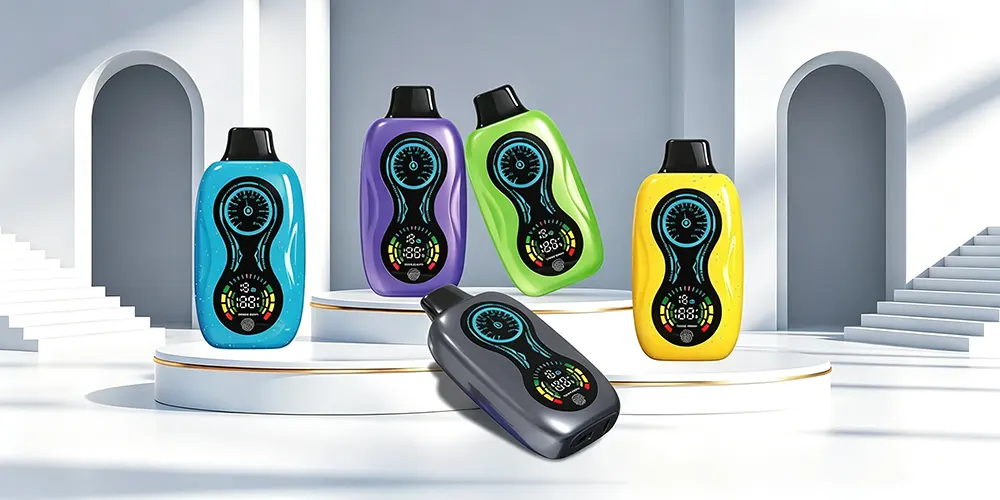
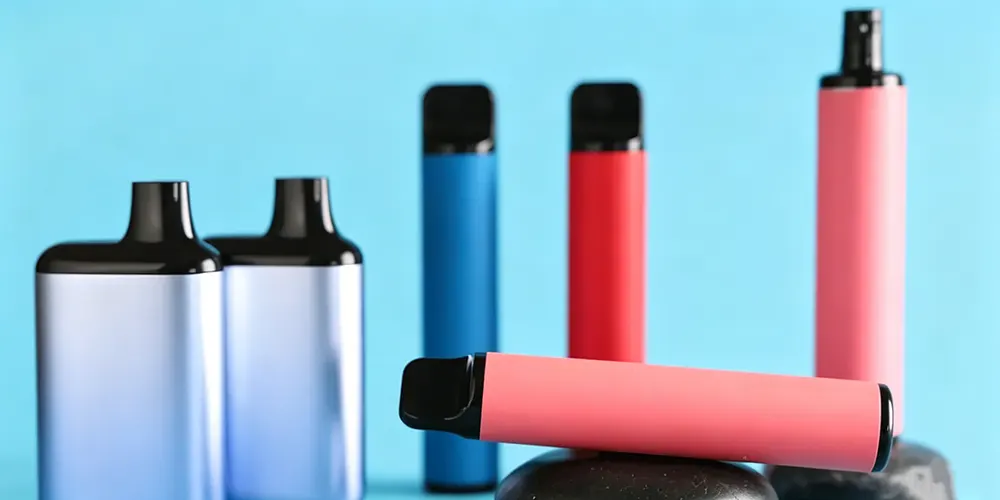
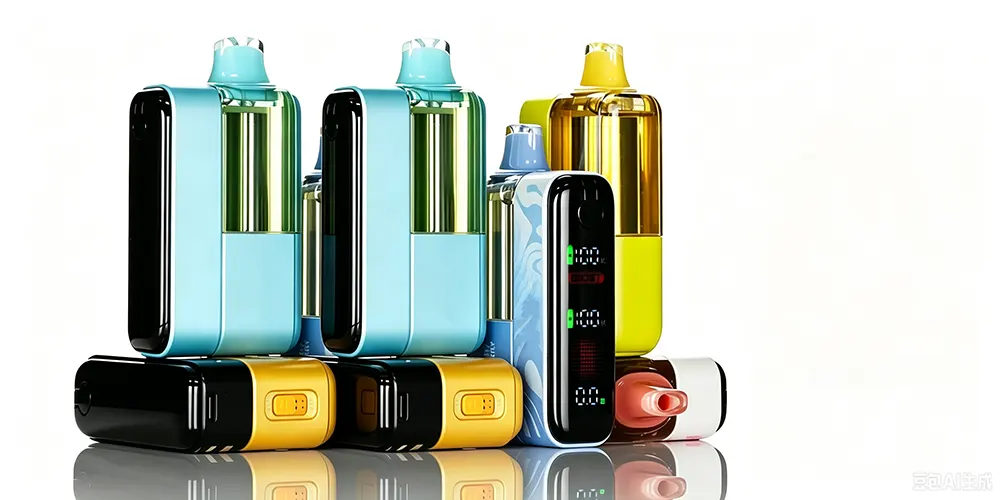
The first step in assessing vape demand in Aleppo is to look at what customers actually want. Disposable devices, rechargeable pod systems, and different nicotine options may appeal to different groups of adult consumers. Product format, flavor selection, battery life, and ease of use can all influence purchasing decisions.
Retailers should avoid assuming that products performing well in another market will automatically work in Aleppo. Local demand can be shaped by purchasing power, availability, personal preferences, and what customers are already familiar with.
Price Still Matters
For many retailers, pricing is one of the most important factors when evaluating the Aleppo vape market. Customers may compare several products before making a purchase, particularly when there are noticeable differences in device specifications or brand recognition.
A practical approach is to build a product mix across different price levels rather than relying entirely on premium or budget products. Tracking which products sell consistently can provide more useful information than making decisions based only on supplier catalogs.
Watch Product Turnover
Inventory management deserves particular attention. A product may look attractive when first introduced but still take longer to sell than expected. Retailers can monitor sales by product type, flavor, price point, and device format to identify patterns.
This also helps reduce the risk of tying up too much capital in slow-moving stock. For businesses evaluating vape products in Aleppo, small-scale testing can be a useful way to understand customer response before making larger purchasing decisions.
Consider Supply and Product Consistency
Reliable sourcing is another part of the equation. Retailers looking for a vape supplier for the Aleppo market should consider more than the initial unit price. Product consistency, available specifications, packaging, documentation, minimum order quantities, and delivery arrangements can all affect the real cost of doing business.
For retailers interested in private-label or customized products, an OEM vape manufacturer< may also be worth evaluating. This can provide more flexibility in product design and specifications, although the commercial and regulatory requirements should be checked carefully before placing an order.
Keep an Eye on Local Market Changes
Consumer preferences rarely stay fixed. A product that attracts attention this month may face stronger competition later. Retailers should regularly observe competing stores, customer feedback, pricing changes, and newly available product formats.
It is also important to verify applicable Syrian requirements before importing, distributing, or selling vaping products. Regulations and enforcement conditions can change, so current local requirements should be confirmed rather than relying on outdated market information.
Réflexions finales
Understanding vape demand in Aleppo is ultimately about reading the market carefully. Customer preferences, pricing, inventory turnover, supply reliability, and local requirements all play a role. For retailers, starting with real sales data and gradually adjusting the product mix can be more useful than simply following international vape trends.




 English
  العربية
  Français
  Deutsch
  Русский